
Lets start the post independence era of Indian Movies and Music with Naushad, he was the foremost music director of all times,His first musical success was Rattan in 1944 and thereafter he had 35 silver jubilee, 12 golden jubilee and 3 diamond jubilee hits.
Naushad was known for his deft adaptation of the classical musical tradition for movies. For some movies like Baiju Bawra, he composed all scores in classical raga modes. He could easily work with Western instruments, including the clarinet, the mandolin, and the accordion. He could incorporate Western musical idioms in his compositions, and compose for Western-style orchestras.
He was one of the first to introduce sound mixing and the separate recording of voice and music tracks in playback singing. He was the first to combine the flute and the clarinet, the sitar and mandolin. He also introduced the accordion to Bollywood film music and was among the first to concentrate on background music to extend characters’ moods and dialogue through music. But perhaps his greatest contribution was to bring Indian classical music into the film medium. Many of his compositions were inspired by ragasand he even used distinguished classical artistes like Amir Khan and D.V. Paluskar inBaiju Bawra (1952) and Bade Ghulam Ali Khan in Mughal-e-Azam (1960). Baiju Bawra(1952) demonstrated Naushad’s grasp of classical music and his ability to bring it to the masses.
For Aan (1952), he was the first to use a 100-piece orchestra, He was the first composer to have developed the system of western notation in India. The notation for the music of the film Aan was published in book form in London.
In Uran Khatola (1955), he recorded an entire song without the use of orchestra, having replaced the sound of musical instruments with choral sound of humming.
For Mughal-e-Azam (1960) song Ae Mohabbat Zindabad, he used a chorus of 100 persons. He asked Lata Mangeshkar to render a part of the song “Pyaar Kiya To Darna Kya” in a bathroom that had glazed tiles and then recorded the music to get the echo effect.
For Ganga Jamuna (1961), he used lyrics in chaste Bhojpuri dialect.
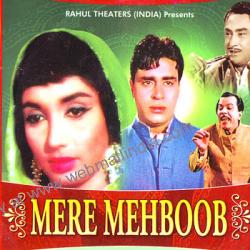
He used just 6-instruments in the title song of Mere Mehboob (1963).

In 2004, a colorized version of the classic Mughal-e-Azam (1960) was released, for which Naushad had the orchestral music specially re-created (in Dolby Digital) by today’s industry musicians, while maintaining all the solo vocals from the original soundtrack. To elaborate, the playback vocals (though not the chorus) recorded four decades ago are mixed with orchestra tracks created in the present millennium. (Wikipedia.org)

Here are some of his compositions:
https://www.youtube.com/watch?v=-od_9SokUKE
https://www.youtube.com/watch?v=7uVHWJSfEu8
https://www.youtube.com/watch?v=ErPVM41ksc0
https://www.youtube.com/watch?v=oj3t5jOTYmw
https://www.youtube.com/watch?v=qSbMdrP5xbI
https://www.youtube.com/watch?v=1d829wRBRTU
https://www.youtube.com/watch?v=BpfoyoRuICs
https://www.youtube.com/watch?v=8JXYm4yNrKY&list=PL48BF20581EBC0B54
One of my all time favorite from ''Mere Mehboob''
https://www.youtube.com/watch?v=6nW-stF_EYg&list=PLgpP6tRb7fHnZBPMnP8KUkp_tMo3HaDnW
Another one from ''Pakeezah''
https://www.youtube.com/watch?v=oMT6R4ZGn-4&list=PLgpP6tRb7fHnZBPMnP8KUkp_tMo3HaDnW&index=6
Another one from ''Kohinoor (1959)''
https://www.youtube.com/watch?v=u2vq8uULHM4&list=PLgpP6tRb7fHnZBPMnP8KUkp_tMo3HaDnW&index=7
Another one from ''Leader''
https://www.youtube.com/watch?v=TehJFYrDFJw&list=PLgpP6tRb7fHnZBPMnP8KUkp_tMo3HaDnW&index=10
And the list goes on and on.......
Naushad was awarded the Dadasaheb Phalke Award for lifetime contribution to Indian cinema in 1982. He is one of the most talented and popular music composer in Indian cinema. He holds the credit of introducing the famous Lata Mangeshkar and Mohammed Rafi to Hindi filmi music. Naushad's professional training in Hindustani music made him adaptable of the Hindustani ragas to filmi music.
Naushad was born at Lucknow on 25th December 1925. His fatherwantyed him to achieve high academic qualifications . But Naushad's interests always made him inclined towards music from the very beginning.
Since early childhood in Lucknow he was an avid listener to the live orchestras accompanying silent films. He learnt music from Ustad Ghurbat Ali, Ustad Yusuf Ali and Ustad Babban Saheb. In his initial days he composed for amateur theatricals such as the Windsor Music Entertainers.
Naushad joined a dramatic company in a theatre at Golagunj in Lucknow.He was trained under Laddan Khanhad where he became capable of working independently as a composer. There he also developed the sense to pick rare musical jewels from the folk tradition of Punjab, Rajasthan, Gujarat and Saurashtra during the company's sojourns in those regions. The dramatic company broke up while in Saurashtra and once again Naushad was literally thrown on the streets.
In the late 1930s he came to Bombay to try his luck as a musician but had to really struggle . He even had to spend nights on the footpath before he worked as a pianist in composer Mushtaq Hussain's orchestra. Naushad worked as a harmonium player in the Ranjit film company where he met D. N. Madhok the well-known songwriter.Mr. Madhok recommended Naushad due to which he got a job in Prakash Studio and was also assigned to compose music for a film Premnagar which launched this young music maker on a career .He also assisted music director Khemchand Prakash for a while.
He got his first break in Prem Nagar (1940) that went unnoticed .He earned recognition with the film Sharda (1942) wherein 13-year-old Suraiya did the playback for heroine Mehtab. he turning point in his career was Rattan (1944) that took Naushad to the top . Ankhiyaan Milake and Sawan ke Badalon became the most popular songs of the day.
Naushad was one of the first to introduce sound mixing and the separate recording of voice and music tracks in playback singing. He was the first to combine the flute and the clarinet, the sitar and mandolin. He also introduced the accordion to Hindi film music and was among the first to concentrate on background music to extend characters' moods and dialogues through music. Songs for his music have been mostly penned down by Shakeel Badayuni. In a sense, their partnership can be compared to that of Rodgers & Hammerstein's.
In the 1940s , Naushad had aseries of hits including A.R. Kardar's Shahjehan (1946), Dard (1947), Dillagi (1949), Dulari (1949) and Mehboob Khan - Anmol Ghadi (1946), Elaan (1947), Anoki Ada (1948), Andaaz (1949). Naushad also boosted Lata Mangeshkar's career with films Mahal and Barsaat The lilting tunes from Dillagi (old), Baiju Bawara and Mughal-e-Azam, Mother India and Aan along many other films delighted millions.Fame and fortune followed him and his name figured prominently in film circles.
In 1950's he He went on to score the music for classics - Mother India (1957),Mughal-e-Azam (1960), Ganga Jamuna (1961) and Mere Mehboob (1963). Mughal-e-Azam, had Naushad's outstanding musical score was outstanding Shubh Din Aayo and Prem Jogan ke Sundari Pio Chali and Lata 's gems like Mohabbat ki Jhooti Kahani pe Roye and Pyaar Kiya to Darna Kya .Also Mohd. Rafi's Ae Mohabbat Zindabad. After 1960's ,Naushad completed Pakeezah (1972) and continued doing occasional films.
| |||||||||||||||||||||||||||||||||||||||||||||||||||||||||||||||||||||||||||||||||||||||||||||||||||||||||||||||||||||||||||||||||||||||||||||||||||||||||||||||||||||||||||||||||||||||||||||||||||||||||||||||||||||||||||||||||||||||||||||||||||||||||||||||||||||||||||||||||||||||||||||||||||||||||||||||||||||||||||||||||||||||||||||||||||||||||||||||||||||||||||||||||||||||||||||||||||||||||||||||||||||||||||||||||||||||||||||||||||||||||||||||||||||||||||||||||||||||||||||||||||||||||||||||||||||||||||||||||||||||||||||||||||||||||||||||||||||||||||||||||||||||||||||||||||||||||||||||||||||||||||||||||||||||||||||||||||||||||||||||||||||||||||||||||||||||||||||||||||||||||||||||||||||||||||||||||||||||||||||||||||||||||||||||||||||||||||||||||||||||||||||||||||||||||||||||||||||||||||||||||||||||||||||||||||||||||||||||||||||||||||||||||||||||||||||||||||||||||||||||||||||||||||||||||||||||||||||||||||||||||||||||||||||||||||||||||||||||||||||||||||||||||||||||||||||||||||||||||||||||
I wish we could list all the songs here, he has such wide range unmatched by any other music director or composer in the Indian film industry.


